

Are You Getting Enough Protein? Here's Why It Matters
Posted by Team Salter on 6th Nov 2026
Are You Getting Enough Protein? Here's Why It Matters
Protein is often associated with gym-goers and fitness enthusiasts, but it’s an essential nutrient for everyone. It plays an important role in supporting muscle maintenance, recovery and overall health. Whether you’re looking to build muscle, manage your weight or eat more balanced meals, getting enough protein from a variety of food sources can help you achieve your goals.
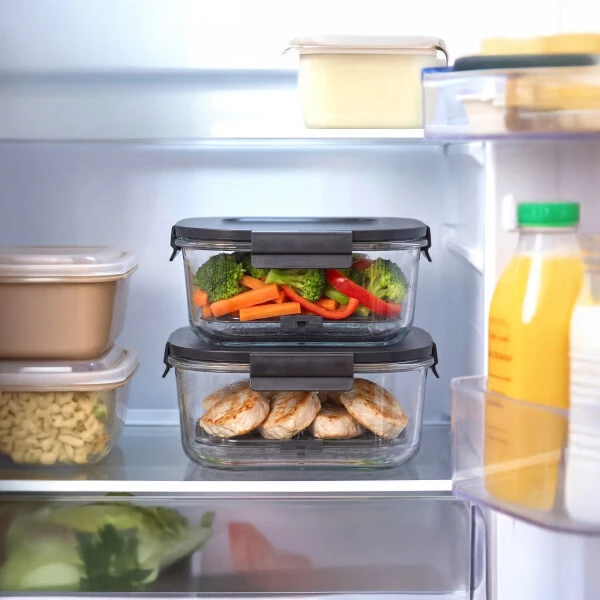
Introduction
Protein is one of the most talked-about nutrients today, appearing in everything from yoghurts and snack bars to coffee and desserts. But protein isn’t just for athletes and gym enthusiasts, it’s an essential nutrient that supports keeping your body healthy, energised and functioning properly every day.
Whether you’re looking to build muscle, support weight management or simply maintain a balanced diet, understanding how protein works can help you make more informed food choices.
What is Protein?
Protein is one of the three macronutrients your body needs, alongside carbohydrates and fats. Made up of amino acids, protein is found in every cell and tissue throughout the body and is essential for growth, repair, and daily bodily functions. As part of a balanced diet, protein should typically provide around 10-35% of your daily calorie intake (Wempen, 2022).
Why is Protein Important?
Protein is important because it helps assist many essential functions within the body, including:
- Building and maintaining muscle
- Repairing cells and tissues
- Supporting bone health
- Encouraging growth and development
- Producing enzymes, hormones and antibodies
- Helping you feel fuller for longer
In short, protein is essential at every stage of life, whether you’re training for a fitness goal or simply looking after your overall well-being.
Is Protein Good For Weight Loss?
Protein can be a helpful part of a weight loss diet, as it helps you feel fuller for longer and may reduce the temptation to snack between meals. It also helps preserve muscle mass during weight loss, which supports a healthy metabolism. Furthermore, successful weight loss depends on a range of factors, including your overall diet, activity levels and lifestyle habits.
Always speak to a medical professional before making significant changes to your diet.
Is Protein Good For Muscle Building?
Protein is essential for building and maintaining muscle. During strength training, muscles experience tiny tears, and protein provides the amino acids needed to repair them. While exercise provides the stimulus for muscle growth, consuming enough protein helps support the recovery process that enables those results.
Measuring Your Protein Intake
So, how much protein do you actually need? It depends on your age, lifestyle and activity levels, so there’s no one-size-fits-all answer. For example, active individuals often require more protein than less active people, while older adults may benefit from extra protein to help maintain muscle.
A simple way to increase your intake is to include a source of protein with every meal. Whether it’s eggs at breakfast, chicken at lunchtime or lentils at dinner, those small choices can soon add up.

High-Protein Foods to Include in Your Diet
Adding protein to your meals doesn’t have to be complicated. There are plenty of nutritious options to choose from, whether you eat animal products, follow a plant-based diet or enjoy a combination of both.
| Food | Serving Size | Protein Content |
|---|---|---|
| Chicken | 100g | 27g |
| White Fish | 100g | 19g |
| Beef | 100g | 22g |
| Eggs | 120g (2 eggs) | 12g |
| Yoghurt | 120g (1 pot) | 5g |
| Food | Serving Size | Protein Content |
|---|---|---|
| Lentils | 120g | 10g |
| Baked Beans | 200g | 10g |
| Tofu | 80g | 6.5g |
| Nuts | 20g | 4g |
| Quorn Mince | 100g | 14g |
Including a source of protein with each meal can help support a balanced diet while making it easier to meet your daily protein goals.
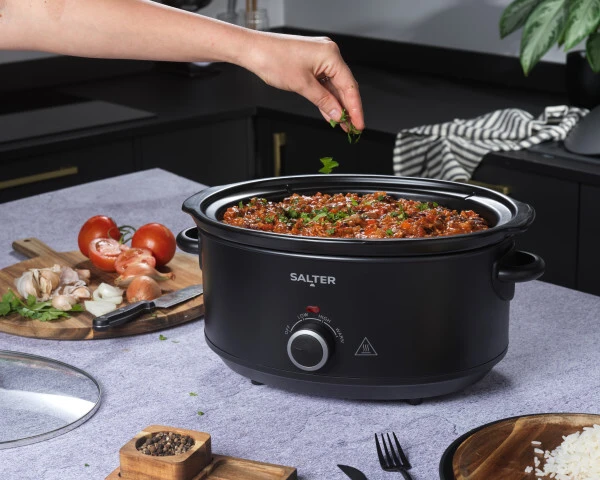
How to Cook Healthy High-Protein Meals
The way you cook your food can make a big difference to flavour and texture. Fortunately, there are plenty of ways to create healthy, high-protein meals at home.
- Baking and roasting help retain flavour while using minimal oil. For a quicker, crispier finish, an air fryer can be a convenient alternative.
- Slow cooking is ideal for chilli, stews and curries, creating tender, flavourful dishes.
- Boiling and poaching offer a simple, low-fat way to prepare protein-rich foods such as eggs, chicken and fish.
- Barbecuing can add a smoky depth of flavour while often requiring less added fat.
For more recipe ideas and cooking inspiration, explore Salter’s Recipes and discover high-protein meals suited to a range of cooking methods and kitchen appliances for your next meal prep or dinner.
High Protein Desserts
Got a sweet tooth? The good news is that boosting your protein doesn’t mean giving up your favourite desserts.
Adding extra protein to your favourite sweet treats can be surprisingly easy. Simple ingredient swaps, such as using greek yoghurt instead of cream or adding nuts to brownies, can increase protein without compromising on flavour. Just remember that ingredient substitutions can affect quantities, so accurate measuring is key to achieving the right texture and consistency.
Some popular high-protein desserts include:
- Protein brownies
- Protein banana bread
- Protein pancakes
- High-protein muffins
- Protein frappes and shakes
For dessert inspiration, check out Salter’s Protein Booster Recipes for ideas which you can adapt to create a protein-rich dessert.
Conclusion
Protein is an essential nutrient that supports muscle maintenance, recovery and overall wellbeing. The good news is that increasing your protein intake can be simple, whether you’re adding more protein-rich foods to your meals or trying new recipes.
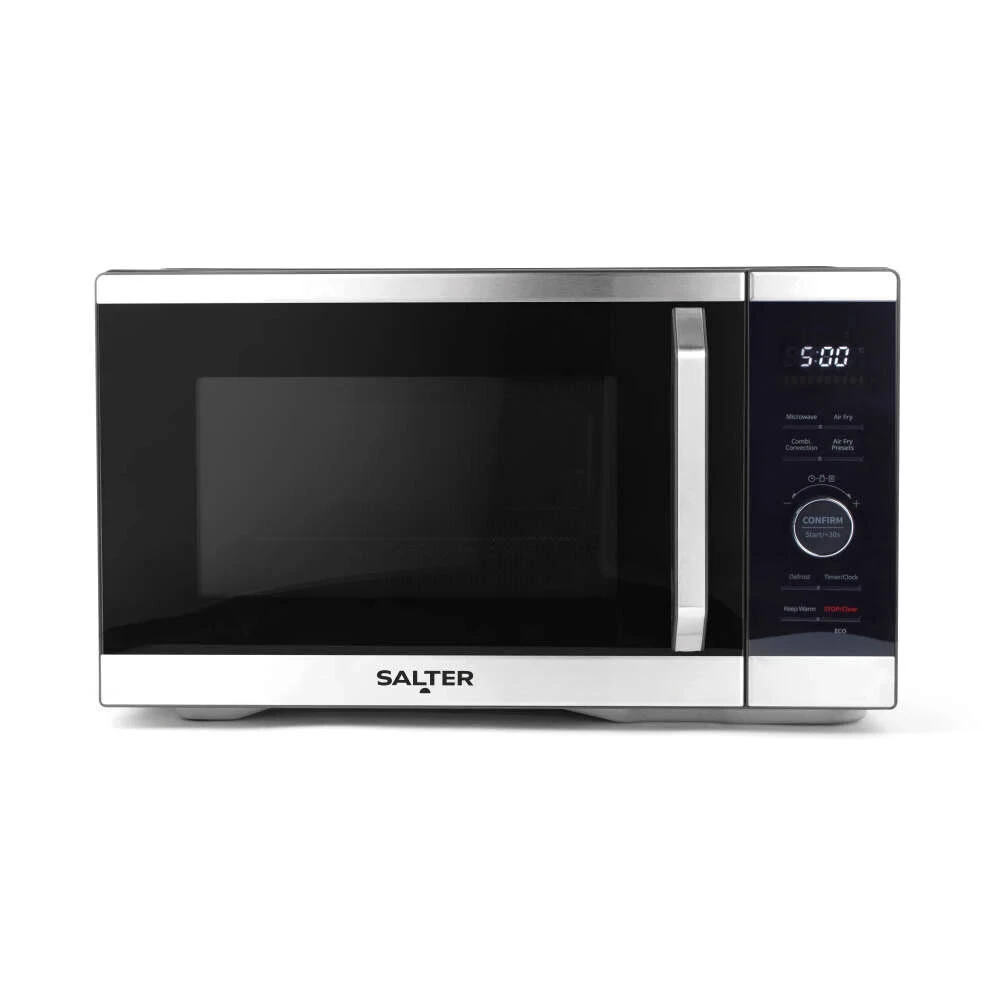
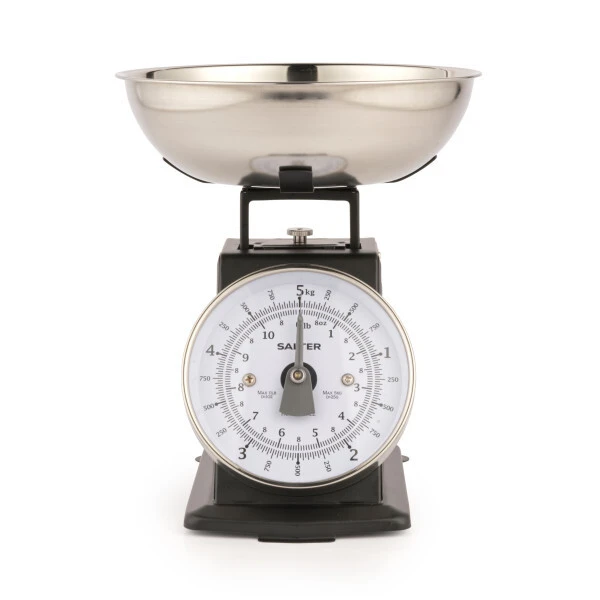
From protein-packed lunches and slow-cooked dinners to healthier desserts, the right kitchen tools can make preparing high-protein meals easier. Whether you’re measuring portions with kitchen scales or cooking with time-saving appliances, Salter has everything you need to support your kitchen goals.

 GERMANY
 FRANCE
 ITALY
 SPAIN
 NETHERLANDS